





RV System

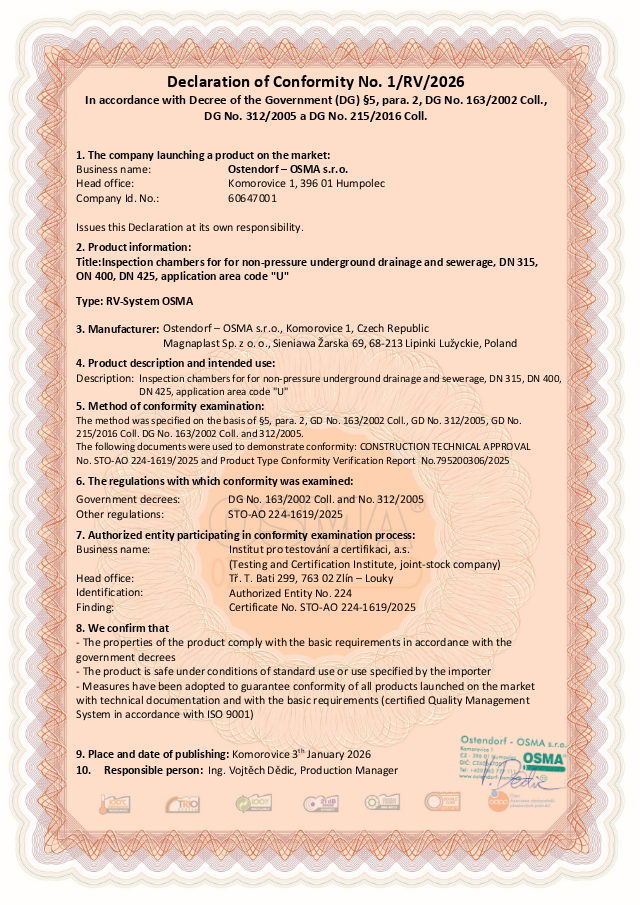
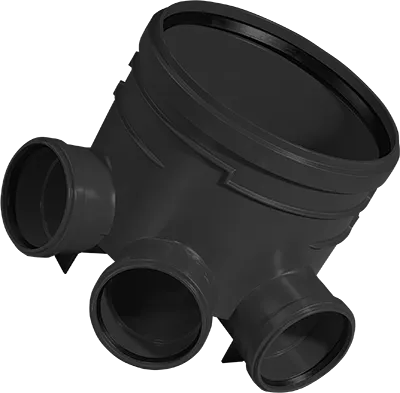
The bases of OSMA RV-System inspection chambers and street inlets are made of polypropylene with high ring stiffness and heat resistance up to 90 °C.

RV System
RV System

Description

The bases of OSMA RV-System inspection chambers and street inlets are made of polypropylene with high ring stiffness and heat resistance up to 90 °C. They form a solid foundation for residential sewer connections and yard drains and are suitable for both sewage and stormwater systems.

OSMA RV System – Modern Plastic Manholes for the Most Demanding Conditions

The OSMA RV-System is an advanced system of shaft components designed for construction revizních kanalizačních šachet a uličních vpustí všude tam, kde je třeba vysoká odolnost, bezpečnost a dlouhá životnost. Vznikl na základě nejnovějších poznatků v oblasti mechaniky plastů a praktických požadavků stavitelů i provozovatelů inženýrských sítí.

Its design, materials, and functional details are tailored to withstand daily wear and tear in demanding conditions—from gardens and yards to traffic areas and public infrastructure.

Why choose RV System

A combination of high-quality plastics for maximum durability

The system uses two proven materials: polypropylene (PP) and unplasticized polyvinyl chloride (PVC-U).

Each one offers specific benefits:

  • Polypropylen (PP) – výjimečná thermal and chemical resistance, vysoká houževnatost, výborná zpracovatelnost. Díky ní lze vytvářet dna šachet s dokonale hladkou vnitřní stěnou odolnou vůči otěru, zanášení i vnějším tlakům.
  • PVC-U – time-tested material with high abrasion resistance a strong outer layer, which easily withstands materials used for bedding, compaction and loading in the field.

The result is a plastic shaft that meets high demands of engineering structures and withstands temperatures and more aggressive chemical environments in the long term.
Strength and stability underground and under wheels

RV-System OSMA is designed to withstand even extreme mechanical conditions.

Key features:

  • reinforced ribbed walls shaft bottoms – effectively distribute soil pressure, protect the structure from deformation and guarantee long-term stability
  • flexible connection of shaft pipes and telescopes – compensates for soil movement and terrain loading
  • possibility of installing cast iron covers – the structure safely withstands wheel loads up to 400 kN, making it a suitable system not only for gardens and courtyards, but also for traffic areas, parking lots and roads.

Perfectly tight joints with minimal risk of clogging

Tightness is one of the most important parameters of every sewer shaft. RV-System OSMA uses a multi-edge sealing element made of durable rubber housed in a specially shaped collar chamber.

The sealing element contains:

  • wiping blade
  • limiting blade
  • fastening blade
  • sealing blade itself

The combination of all these elements enables safe sealing under overpressure and underpressure up to 0.5 bar. Tightness is maintained even with slight pipe deformation or deflection, which increases shaft reliability during long-term operation.

Variable system for shafts up to 4 meters deep

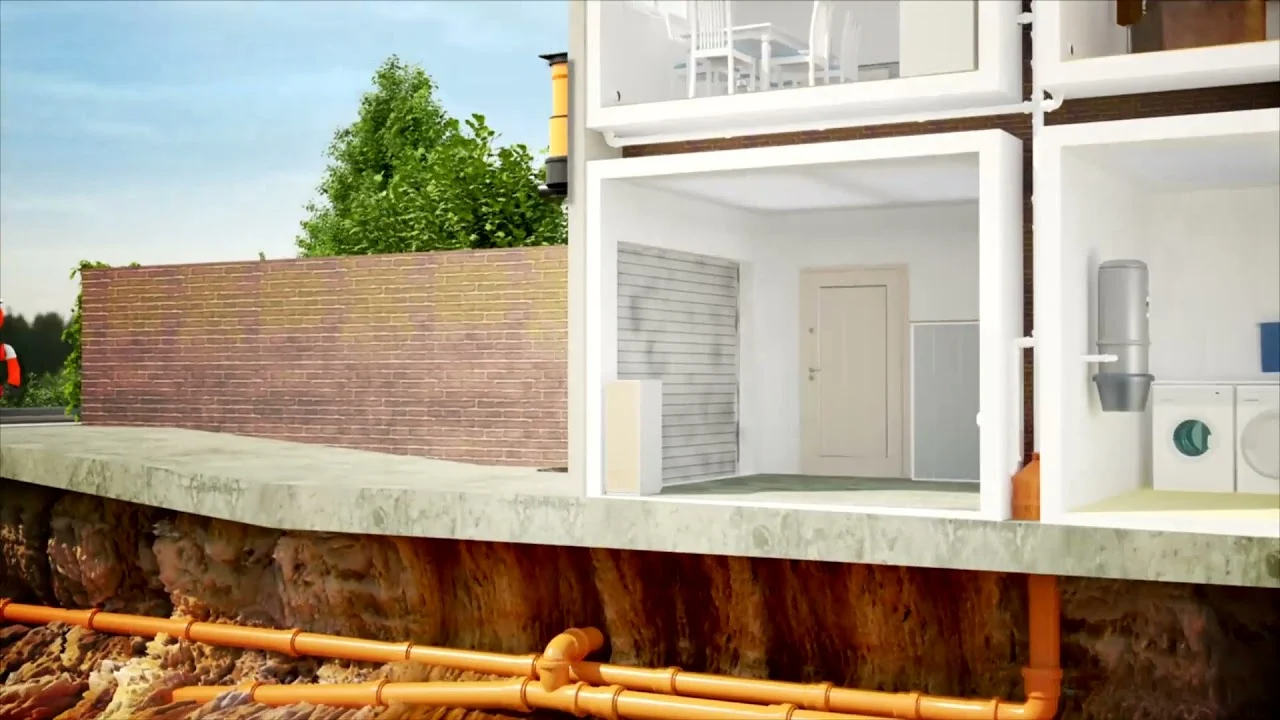
RV-System OSMA forms a complete range of elements that allow the construction of inspection shafts of various depths up to 4 meters. It also allows subsequent connection of new sewer branches and connection to various sewer systems, including standard house and rainwater systems.

Thanks to thoughtful design, the system also offers easy inspection and monitoring. With its flexibility, it is suitable for residential construction, renovations as well as municipal and industrial infrastructure.

Environmentally friendly and efficient solution

The low weight of plastic shafts brings several advantages over concrete or masonry structures:

  • lower energy consumption in production and transport
  • lower CO₂ production
  • easier handling and faster assembly
  • 100% recyclability of all components

RV-System OSMA meets demanding environmental criteria and represents a modern, sustainable infrastructure solution for the future.

Presentation video

Presentation video

Documents

FAQ

Maximum operating temperatures of pipes, fittings and seals

Maximum operating temperatures can be found in the individual catalogues of waste and sewage systems and seals.

Seals Areas of use - temperatures
SBR (at manufacturer/on site) approx. -50°C to +100°C
EPDM approx. -50°C to +150°C
NBR (can be ordered separately) approx. -30°C to +100°C

SBR Improved resistance to wear and aging, good resistance to operating fluids
EPDM Excellent resistance to wear, aging and most operating fluids
NBR Versatile material. Seals for contact with mineral oil or fuels. Poor resistance to ozone and weathering.
Values of dynamic ring stiffness for KG-System (PVC)

Our KG-System (PVC) products are manufactured in classes SN 4 and SN 8. KG 2000 Polypropylene in class SN 8 (measured in certified laboratories confirmed values higher than SN 10) and MAGNACOR in class SN8.

High groundwater level – what needs to be observed when laying sewage pipes?

„Installation in the groundwater area only if it is ensured that there can be no displacement and movement of the filling material (e.g. concreting into a fine gravel filter layer)".

„When working in the groundwater area, it must be ensured that the bearing layer of the installation is free of water during construction.".

„The pipe zone must be protected against any foreseeable change in load-bearing capacity, stability or bedding, where such change may be caused by: e.g. the effect of groundwater".

If you have any doubts about the suitability of the sewage pipe installation, please contact us and we will perform a static calculation.

We have available the manufacturer's test report of the sealing rings of M.O.L. company on "tightness at external pressure" (dated 14.07.2004). Here a test was performed against external pressure of 0.5 bar (5m water column).

May the dimensioning of the sewage / drainage system be reduced in the direction of flow?

No. This provision serves, among other things, to exclude the formation of (back) water buildup and retained volume within the system.

Is it possible to combine rainwater and wastewater pipes in a building?

No. It is not permitted to combine rainwater and wastewater pipes within a building. The pipes may only be combined into a common pipe outside buildings (preferably close to the connection channel at the property boundary).

An exception becomes valid if it is border development, in which case it is also permissible to combine rainwater and wastewater pipes within the building.

Direction of laying plastic pipes

Installation of pipes with socket connections / couplings is usually carried out so that the pointed end is in the direction of flow. The pointed end is inserted into the socket / coupling.

Quote from the plastic pipes manual (4th edition, section 3.4.4 Construction of sewers and wastewater pipes, page 463)


Based on this, the installation of pipes in the direction of flow is clearly defined.